
In the previous post, we looked at how a ‘wide’ (excuse the pun) variety in saddle rear profiles, provide a difference in contact area and angle beyond that of a simple width measurement, as well as how the ‘sweep’ of a saddle can change the way a rider locates or experiences the width available. If you missed it, link below:
Saddles are, of course, three-dimensional. Not only are they not flat as seen from the rear, but we also have to consider a variance in longitudinal profile. All other things being equal, this again provides a huge difference in how the rider will engage with the saddle.
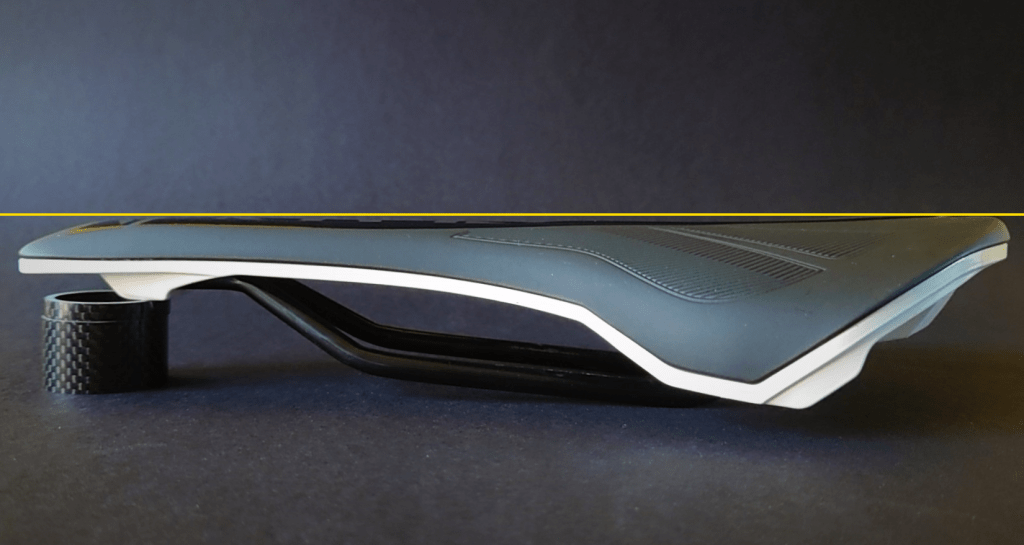
In our first example, the profile of the saddle is essentially flat. This provides a constant inclination of the contact patch that the rider will experience, save for a minor alteration as they slide fore-aft. But it’s also important to consider the effect that this has on saddle height variation. If we assume that the saddle is set level to the ground and setback to any distance behind the centre of the bottom bracket, a rider with a tendency to move fore-aft on the saddle a lot, willingly or not, will have a lower effective saddle height the further forward on the nose they move, towards ‘the rivet’ and an increase in height as they move rearward. This change will be amplified in a situation where any degree of nose-down tilt is implemented.
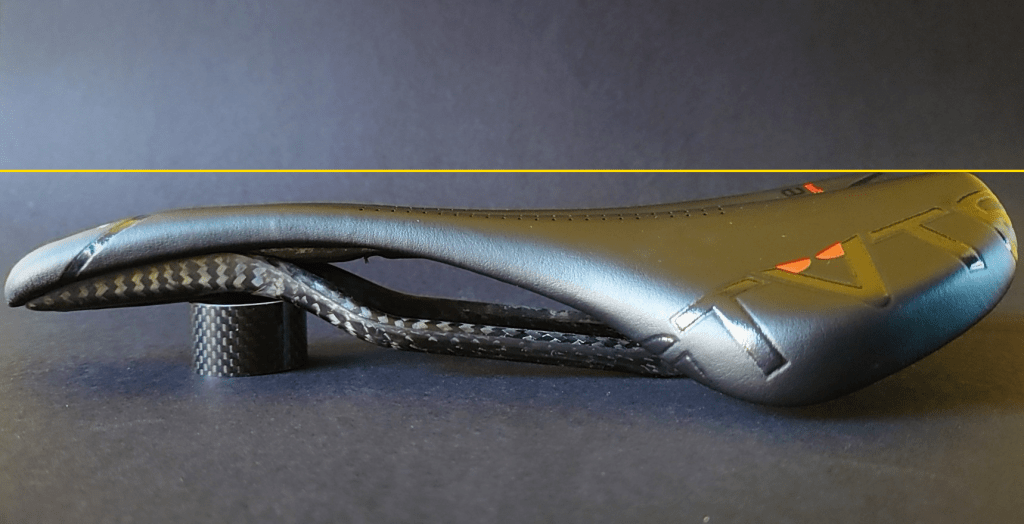
This same effective height change is going to occur on our second example. However, due to the slight lift in the nose, this will be less pronounced. Where our first saddle provides a constant angle of contact, our second is going to see a large variance due to it’s dipped centre and lifted rear portion, especially noticeable as that ‘tail’ kicks up. This provides a similar effect, at least at the rear, to that of tipping the saddle nose-down on our first example, but with a very different angle at the nose.
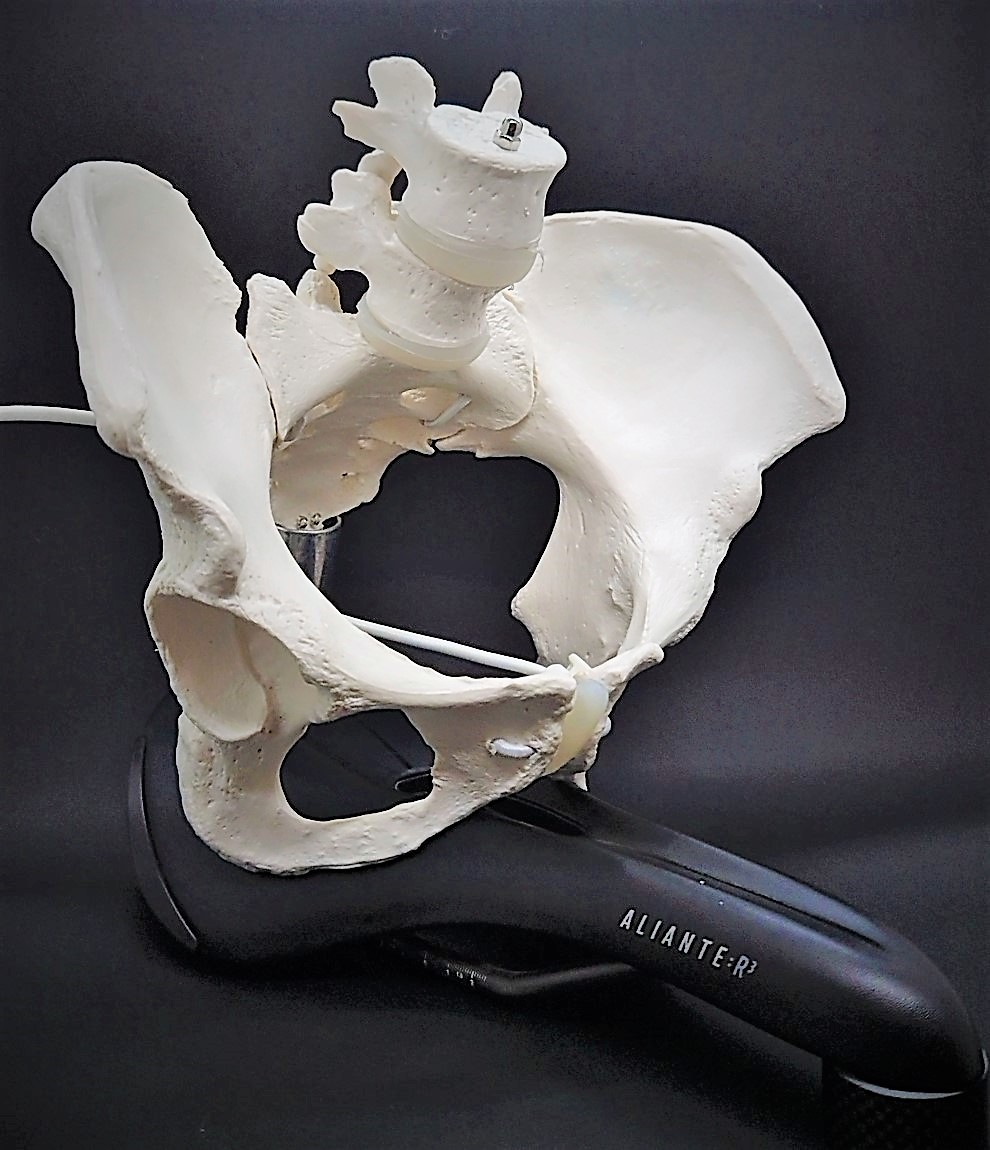
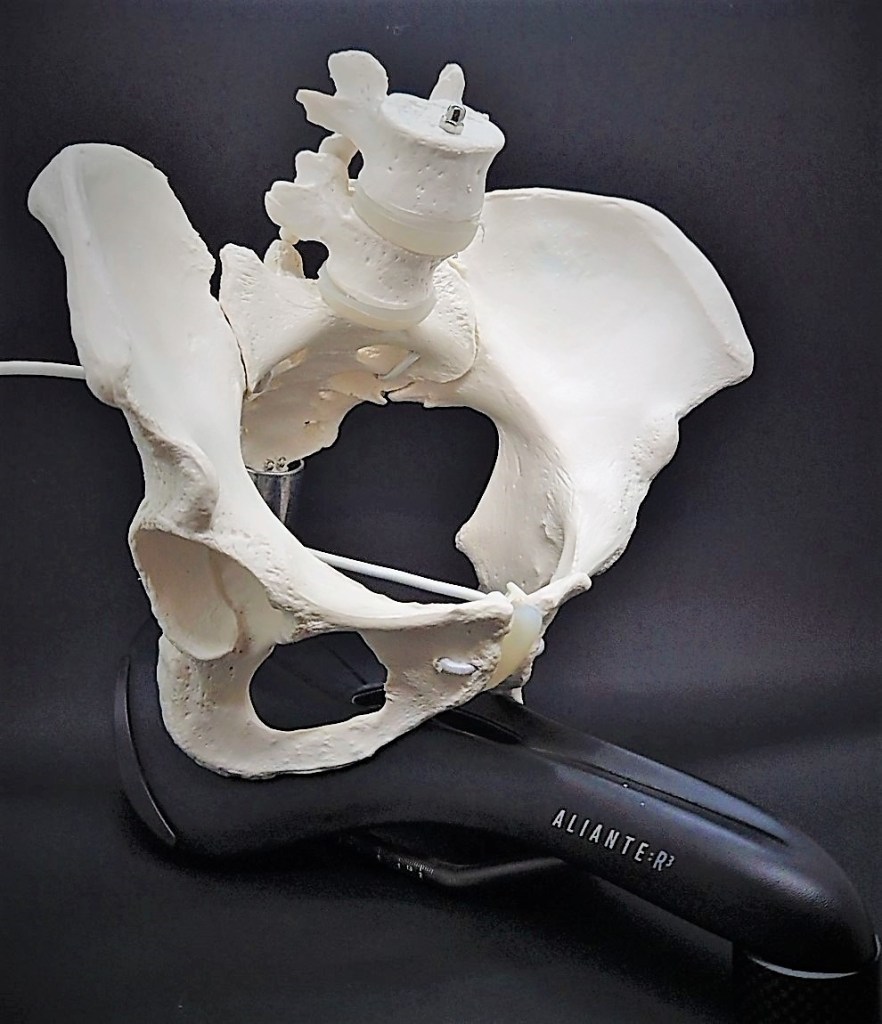
Saddle profiles have one of the biggest effects on our overall riding comfort, stability and weight distribution on the bike. Not only providing a base from which to power the bike, supporting our pelvic rotation influences what happens further up the spine, influencing our shoulder and neck musculature, the balance and pressure we place on the cockpit and even our breathing, as our trunk cantilevers out over the bike.
With a huge selection of modern saddles now hitting the market, there is no need to suffer in silence. If your saddle isn’t doing it’s job, please get in touch to discuss how an individual consultation could help you ride stronger and in more comfort.
 AC Performance Bike Fit