


We are all assymetrical, both by design and through interaction with the world. We carry heavy organs like the liver which bear weight on one side of our bodies, packing all that glycogen for upcoming training. We all favour one side, even the ambidextrous among us, then very few of our daily tasks are not performed one-sided, from opening doors, to driving, to typing like I am now.
The vast majority of us lean more heavily on one leg when we stand. Maybe you’re aware of it, but if you weren’t before, you will be now. Sorry.
All of these things lead to small functional assymetries which we carry with us on to the bike. A particular tight muscle, one hip or a previously injured shoulder which we are subconsciously protecting all have an effect on how we interact with a bicycle, a symmetrical piece of machinery.
When it comes to optimising our power production, comfort and longevity on the bike, we also need to seriously consider any mechanical leg length difference (Be honest, that’s the one you thought of when you read the title anyway.)
The truth is that initially a mechanical leg length difference and a functional leg length difference may net the same result as far as bike position is considered, some kind of intervention to allow the rider to function in as symmetrical a way as possible. The difference is that a mechanical leg length difference may mean that the intervention is there for life, without surgery, whilst the functional assymetry is likely to change over time and maybe even be removed completely depending on the progression or regression of the root cause and the work off the bike a rider puts in to influence this.
Before considering adding leg length shims to a rider’s shoe, it’s important to understand the nature of the assymetry and ensure that other factors influencing the athlete’s function are under control, these being the usual suspects: saddle height (and setback) overall cockpit reach and foot support. It is very common to see a rider listing over to one side of the saddle due to excessive saddle height, favouring one side, for them to level themselves to a high degree with a few mm of saddle height reduction, or to find one foot is less stable than the other, exaggerating any hip drop.
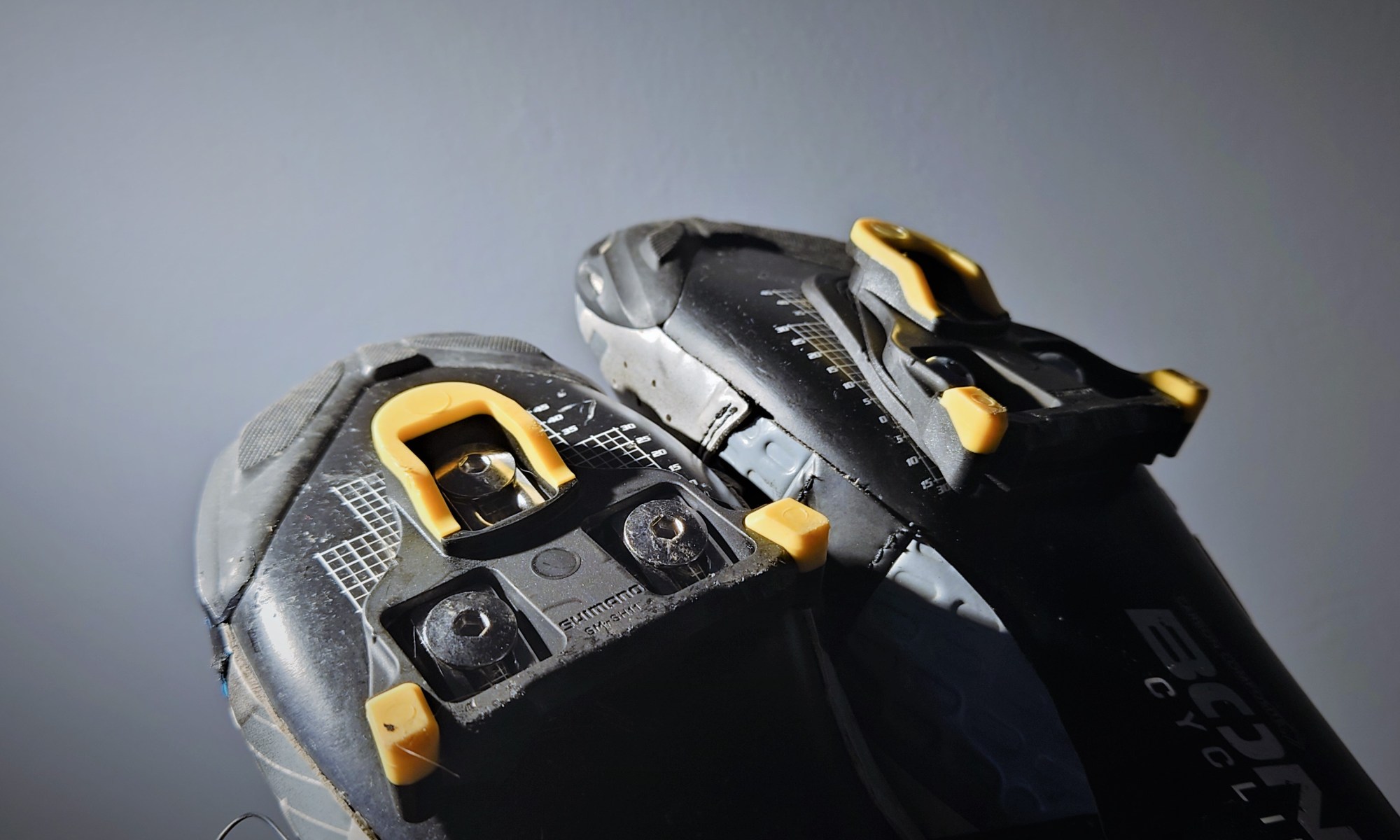
With completion of our initial movement screen and prior knowledge of any known mechanical differences, with all of these baselines established, we shouldn’t find ourselves with any big surprises when it comes to shimming. The target is then to reach a point where the rider is able to pedal with similarly smoothness and feeling of equal muscular recruitment. This usually requires moving the shimming up and down in levels, along with fine adjustments in saddle height, to find the optimal combination where the pelvis is quiet and maintains stability under significant load and ankle stability is equal. This last point especially may also require alterations to cleat setback, dependant on the extent of the shimming, effectively increasing the pedal system stack and therefore it’s leverage around the axle centre.
It’s important to consider that with a significant amount of shimming, the client may also benefit from a same height block under their walking shoes. With more typical, small degrees of shim I don’t believe this to be necessary.
This reminds me of my favourite quote when at a fitter’s seminar and when asked whether he believed it appropriate to adjust for assymetries which people have adapted to in every day life off the bike, Paul Swift responded:
“Yes, because you don’t walk around with a saddle jammed up your A***!”
 AC Performance Bike Fit