


To perform a bike fit, in it’s simplest terms, is to act as mediator between rider and bicycle. This is to bring together a mostly symmetrical machine and an asymmetrical organism in the most efficient way which is comfortable for the rider within the realms of their outlined use case.
A bike, without direct mechanical influence, whether intentional or not, will remain virtually unchanged as far as it’s measured dimensions, for a very long time. Put it away for a week, month or year and bring it back out and it will maintain it’s saddle height and offset, crank length, bar reach, etc. Of course there are some very important considerations, like saddle padding compression or pedal strike plate wear. But wear issues aside, your bike remains your bike, just as you left it after your last ride.
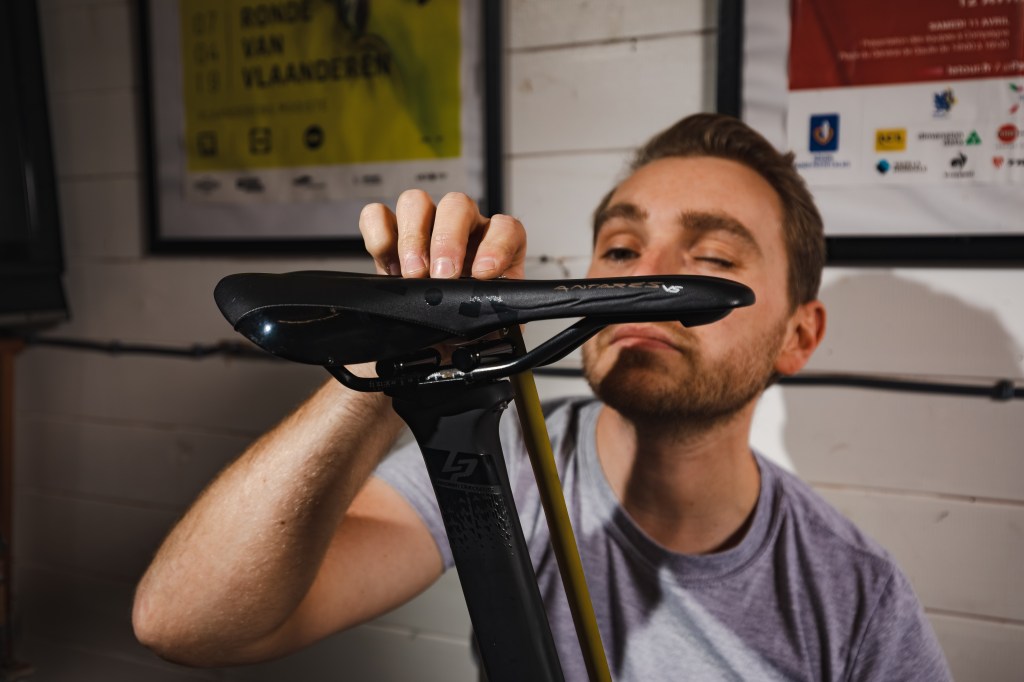
A human body on the other hand, is not bolted together with allen bolts and compression clamps. Our bodies are constantly adapting and compensating to their environments. The same body running 5k every day, sitting at a desk all day, or laying constantly for a week due to illness, is physically different. Muscles and fascia shorten and lengthen to demands and muscular firing changes based on movement patterns, both conscious and subconscious. Anyone who has broken a bone or spent any period of time with a joint immobilized has seen and felt this on a localised scale, how quickly the body can adapt. These adaptions are taking place all of the time, throughout the body.
Put your body away in the shed for a month, I promise that it would come out a lot more changed than your bike!
I’ve become famous for my use of strange analogies and one of my favourites when explaining fitting is this:

We are working on a sliding scale.
The body and the bike are opposite ends of the scale.
The goal of a bike fit is to find the point where they meet and balance.
Sometimes, the bike needs to adjust further to balance the rider.
Sometimes, the rider needs to compensate further to meet the bike.
It’s all about balance.
I use this analogy because it works on multiple levels. A lot about bike fitting revolves around balance, the balance of staying upright, the front and rear balance of a bike and it’s effect on comfort and handling. Even on a basic level, that a rider’s changing bodyweight has direct effect on their position. But main reason I use this sliding scale, is to encourage a mentality in a rider that this point is always subtlely moving, based on your input from the rider end. Not in weight, but in any changes to which the body is subjected. An injury and it’s knock-on effects may move the scale one direction, whilst a season’s worth of training, mobility work, strength and conditioning, tissue therapies, etc. May tip the scale the other way.

The ability of the human body to adapt is enormous. Cycling is not a natural movement pattern, yet we are able to compensate and ride very efficiently.
Many of these compensations, without proper restorative work, can have negative consequences to our health long-term. Muscle imbalances and postural deviations develop and continue in to our lives. An integral part of any fitting practice, should be providing guidance of practices and modalities which assist in countering some of these effects. My practice extends to a circle of trusted practitioners, who provide a range of services and therapies, indispensable to any cyclist invested in their long-term health.
One of the things which makes cycling so accessible to a huge subset of people, is that it is very forgiving of poor form and technique. Many sports provide technique coaching, not just to improve performance, but to prevent injury. Cycling allows for a massive range of disfunctions and deviation before acute injury becomes a real risk. It is very common to see particular compensation patterns which have worked for a particular rider for years or even decades, but subsequently created performance ceilings or their influence created an injury pathway or discomfort, years or even decades later.
Modern hardware has come a long way in improving how we can be supported and function on the bike. It allows a wider range of riders to function well on a bike with greater comfort. But the single most important (and most overlooked or totally ignored) aspect of bike fitting is postural guidance. You can have the best bike, handlebars, saddle, best shoes, insoles, wedges and all be to the millimetre tailored. But if you do not know how to interact with it and produce functional movement patterns, you will be left short-changed in your performance.
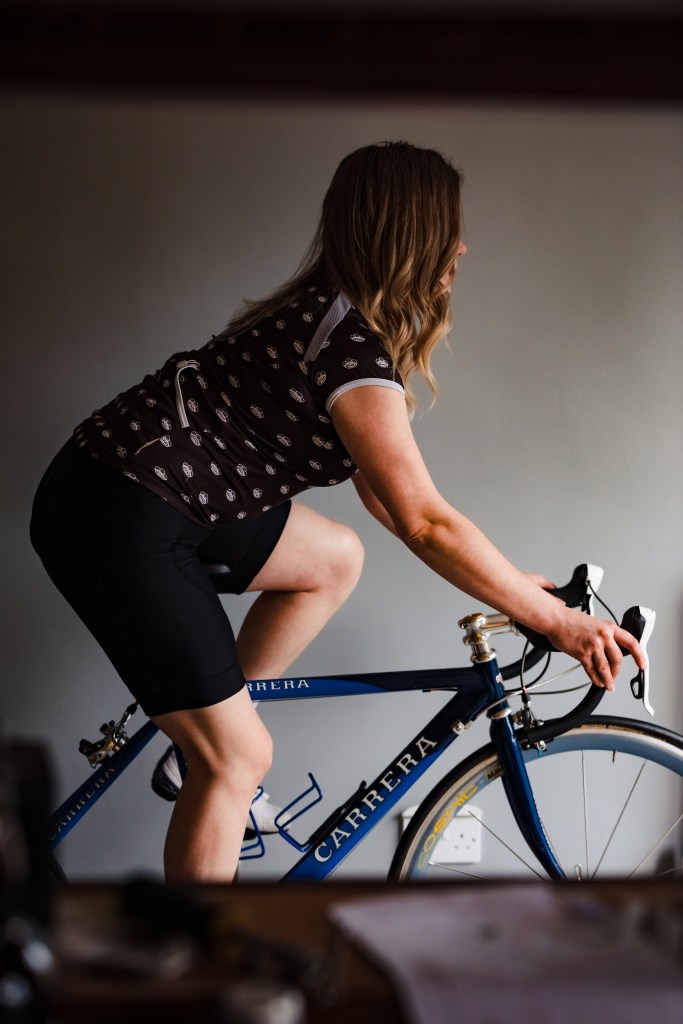
My philosophy is rooted in developing the best rider positioning for an athlete by tipping the scale from both ends.
Not simply creating a crutch for disfunction, but providing the mechanical adjustments and necessary interventions to create an efficient interface between man and machine, whilst also guiding the client through postural and interactional practices, so that they may develop in to their strongest, most functional self.
 AC Performance Bike Fit
wow!! 24Turned in Levers Vs Flared Handlebars
LikeLike