
In my “Bike Fit Basics” series, I skimmed over the influence that certain key elements of a bike fit have and how they contribute to the overall position when considered in isolation. If you missed it, here is a quick introduction to saddle setback and why it’s important:
Bike Fit Basics – Saddle Setback.
Saddle fore and aft position has a dramatic influence on a rider’s muscle recruitment, weight distribution, hip closure and saddle…
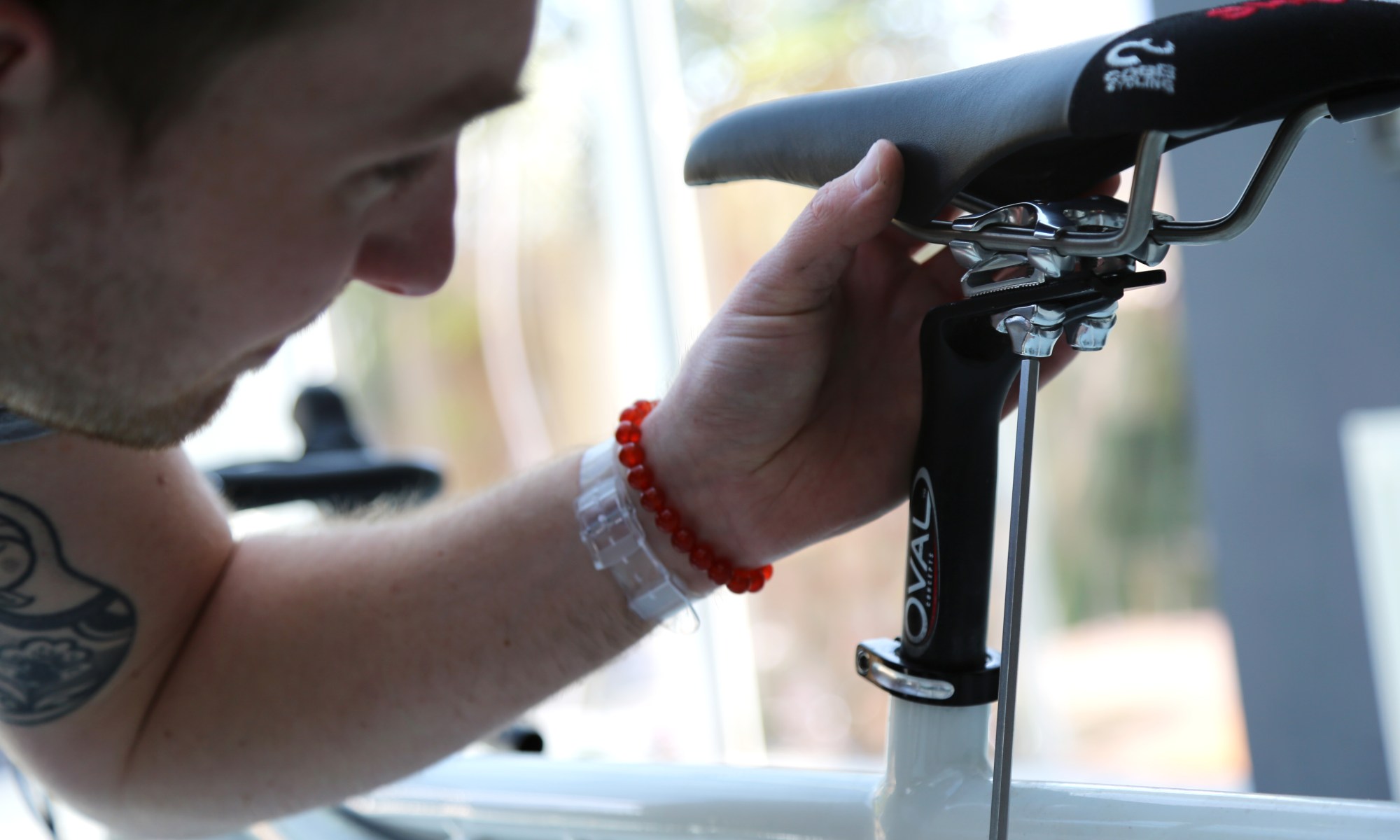
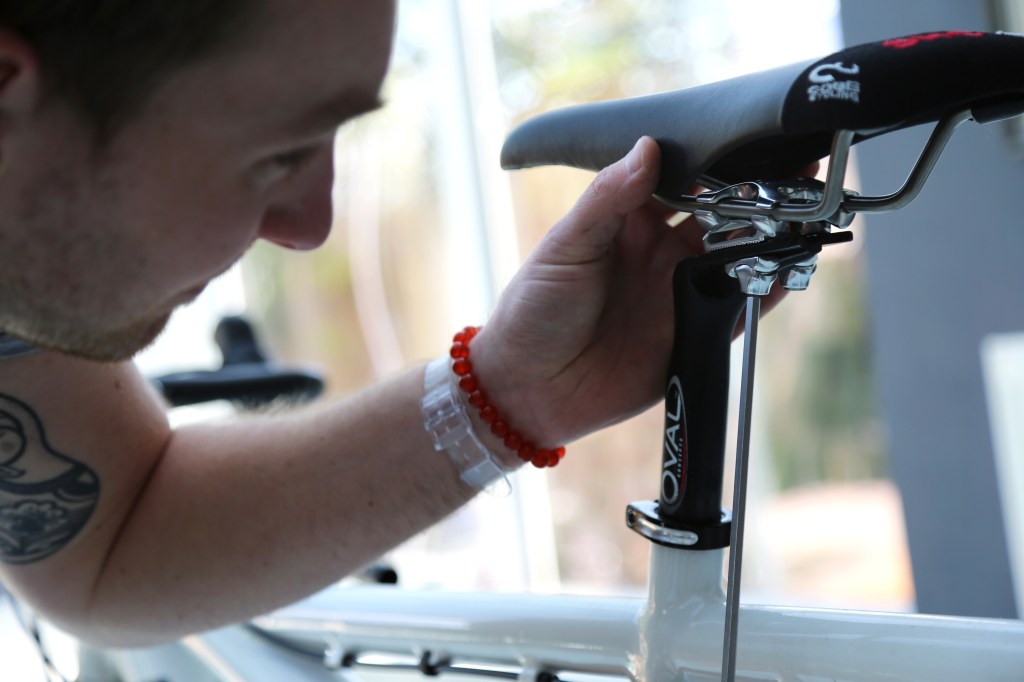
Today I want to expand a little on how we may go about choosing an appropriate saddle setback in and the effect that it may have. Of course as with all elements discussed across my posts, it is actually impossible to adjust one element without it having some global effect, so please consider that and bear with me as I continue to try and break these things down one piece at a time.
As always, I’m going to treat a road position as the core foundation of the post and work outwards. This is the reality for many athletes and certainly for the majority of my clients. Especially when looking at saddle setback, in the vast majority of cases, a road position represents a sort of ‘neutral’ baseline from which work based of speciality and alternative disciplines.
All other things being equal, the further forward we move a rider’s saddle relative to the bottom bracket, the more open their hip angle and the further forward their weight distribution. Whilst the further back, the tighter the hip angle and more rearward their centre of mass. So our goal when developing a road position is to find a point at which the rider is balanced and not exceeding the limit of their hip function. Of course there are often hardware limitations which prevent this point from being met, mostly commonly crank length inhibiting function before a point of appropriate balance is met.
A regularly contested and debated consideration when dialling in an athlete’s setback is that of muscle function. In this use case, it is that as we move further behind the bottom bracket, we can manipulate the implementation of posterior chain musculature in posture and power production, in particular encourage a greater glute contribution in the pedal stroke. If an athlete does not have sufficient saddle setback, it is more difficult to engage the glute, our largest hip-opener, in the power phase of the stroke. I have some simple tests undertaken during a fit which I have found help not only establish setback, but give the feedback riders often need to help connect with their underused glutes. It is extremely common that I see athletes who’s positions have developed to mimick their feelings of ‘power’ and continue to regress towards increasing quad-dominance. This patterning is often born out of lifestyle factors, where a predominantly seated living and working life feed in to postural tendencies which can serve to trend people towards muscular imbalances, weaknesses and a compromised ability to ‘hinge’ at the hip, to which we cyclists add to this hours spent on a bike, reinforcing these patterns.
The good news is that with a combination of bike hardware, postural cues and support off the bike from practitioners, I believe that we have the opportunity to tap in to underused musculature and generate greater torque at the pedal.
But what happens when we look outside of road positions and to other disciplines?
The simple answer is that we compromise outright balanced muscular recruitment in order to chase discipline-specific benefits found in other parts of the position, such as aerodynamics, the ability to more dynamically move around the bike’s centre and even another hotly debated point, muscle sparing for multi-sport athletes…
 AC Performance Bike Fit