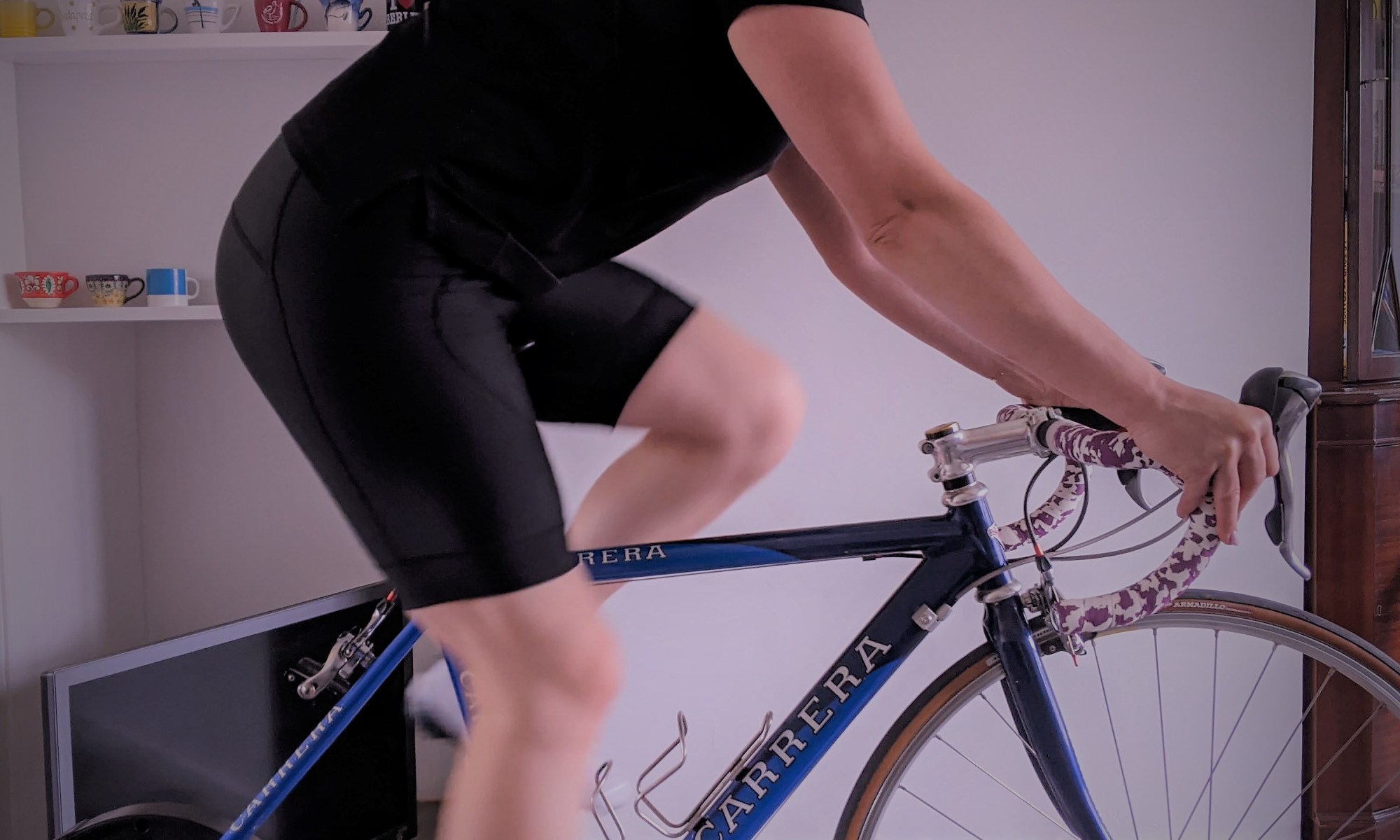
An increasing number of riders in the professional and amateur ranks are seeking easily accessible aerodynamic gains in their conventional road setups. Along with a simple shift to a narrower handlebar, we see many riders opt to modify their lever positioning to offer something towards a 'mock TT' position. Most commonly seen adopted by breakaway …
A further expansion on Saddle Setback
With our 'baseline' setback calculated, what happens for those of us transferring over to other disciplines? If you missed it, I talked about road saddle setback here: So what next? It should go without saying that how much a particular athlete needs to modify their setback to move between disciplines is individual and dependant of …
An expansion on Saddle Setback
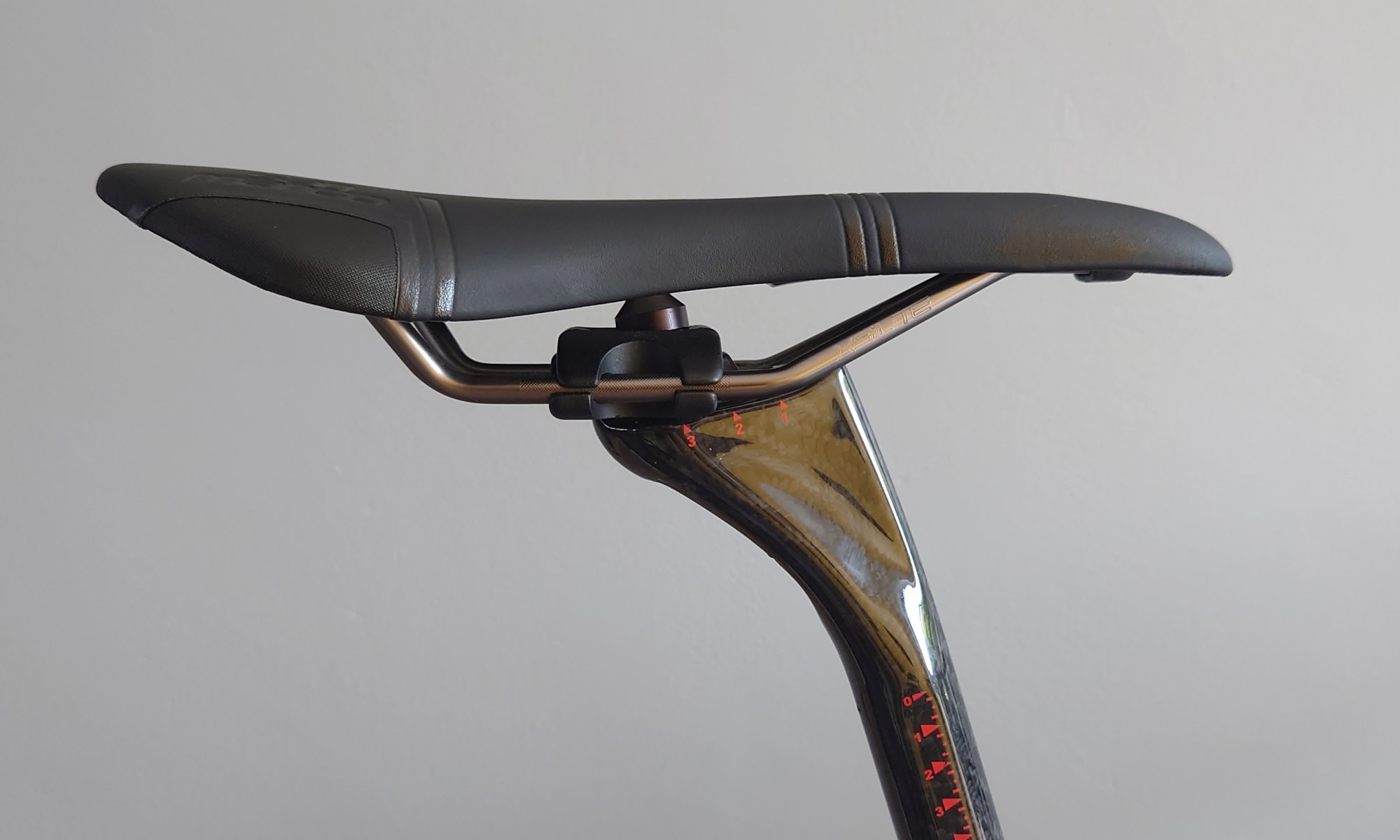
In my "Bike Fit Basics" series, I skimmed over the influence that certain key elements of a bike fit have and how they contribute to the overall position when considered in isolation. If you missed it, here is a quick introduction to saddle setback and why it's important: Today I want to expand a little …
Fit Philosophy
To perform a bike fit, in it's simplest terms, is to act as mediator between rider and bicycle. This is to bring together a mostly symmetrical machine and an asymmetrical organism in the most efficient way which is comfortable for the rider within the realms of their outlined use case. A bike, without direct mechanical …
Assymetries and Cleat Shims
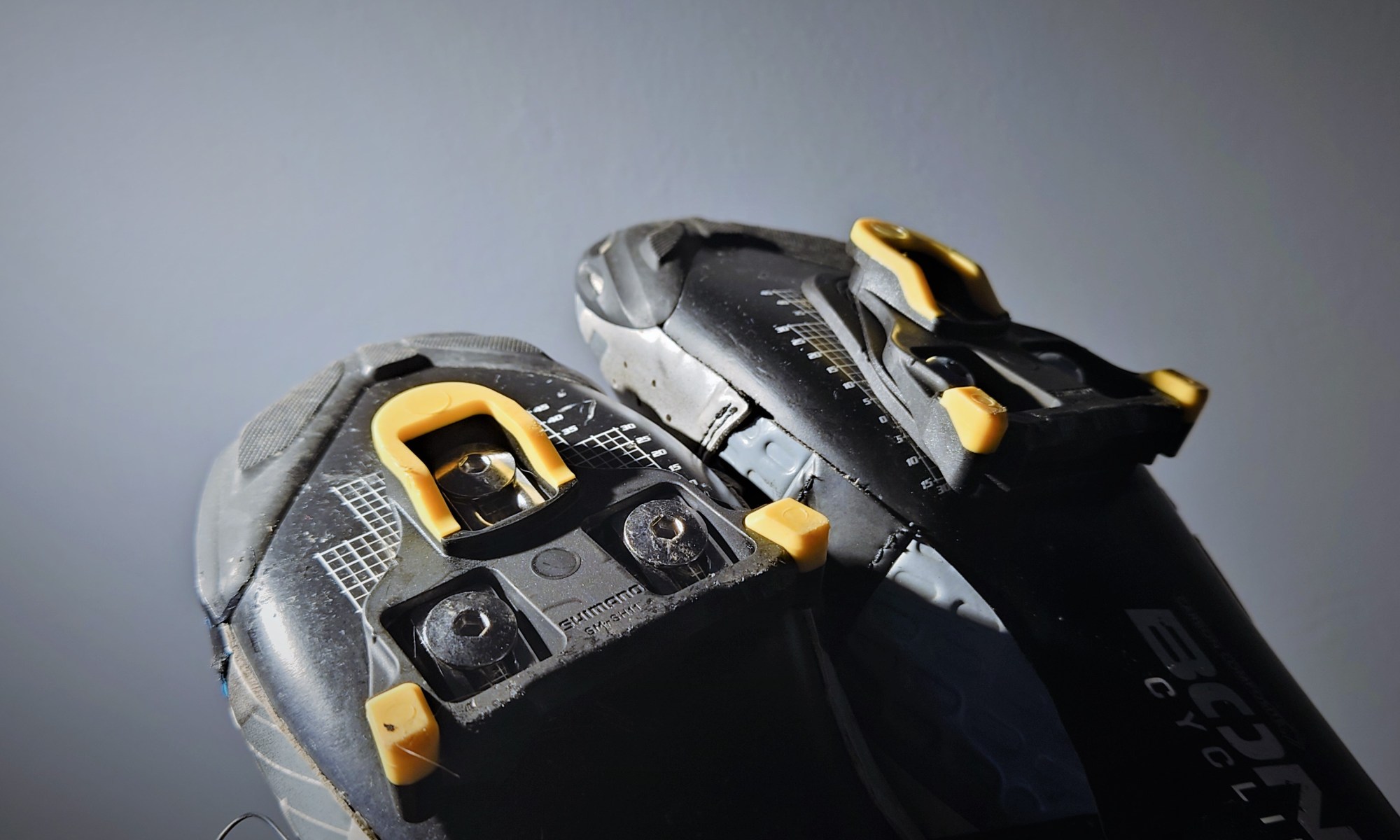
We are all assymetrical, both by design and through interaction with the world. We carry heavy organs like the liver which bear weight on one side of our bodies, packing all that glycogen for upcoming training. We all favour one side, even the ambidextrous among us, then very few of our daily tasks are not …
Saddle Profile Pt.3 – The Take Home
This post comes with a few caveats and assumptions... The first is that you have already had a read through my first two posts, outlining some broad differences between modern saddles and some of their implications to the rider. If you havn't, you can find links below: The second is that all of this advice …
Saddle Profile Pt.2 – Three Dimensionality
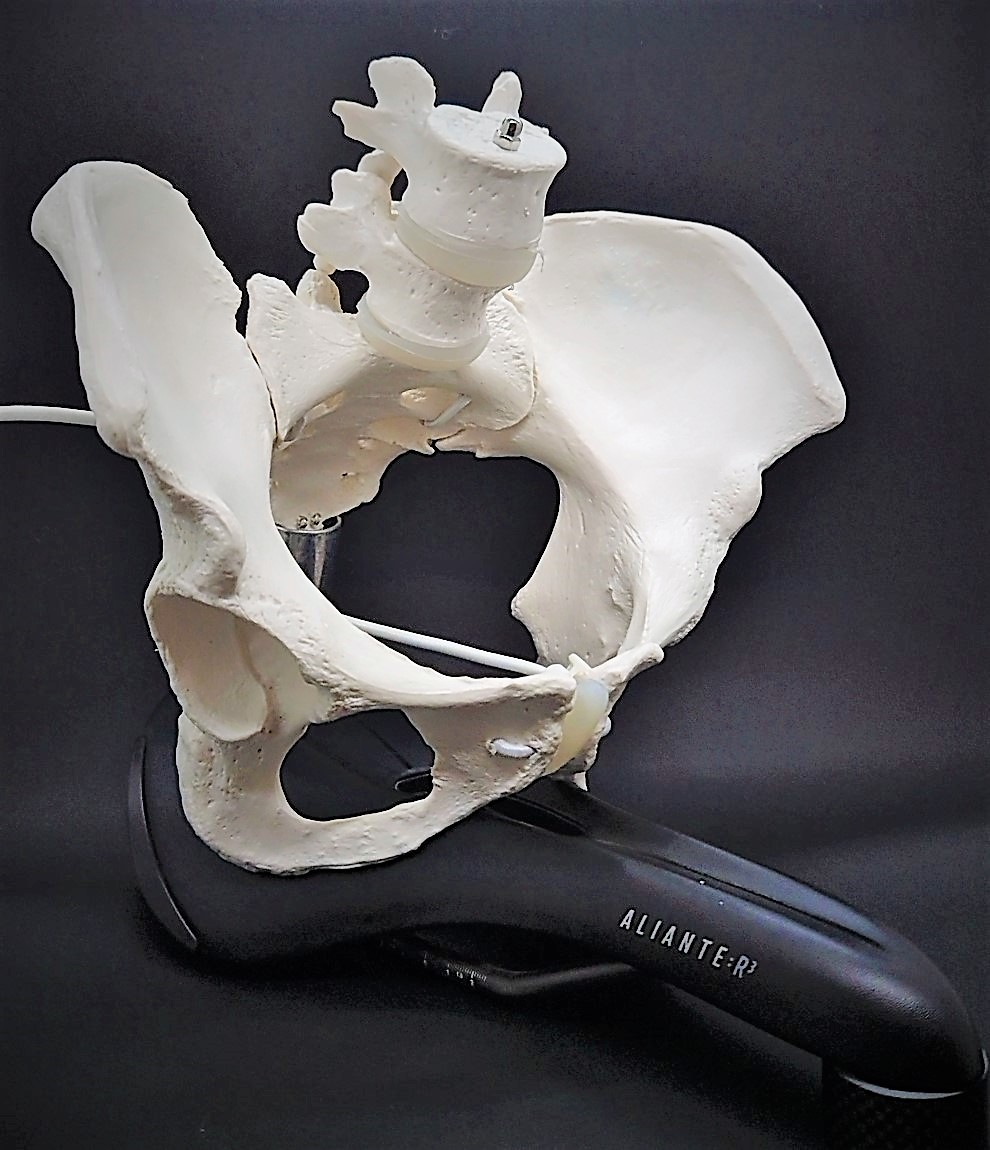
In the previous post, we looked at how a 'wide' (excuse the pun) variety in saddle rear profiles, provide a difference in contact area and angle beyond that of a simple width measurement, as well as how the 'sweep' of a saddle can change the way a rider locates or experiences the width available. If …
Continue reading "Saddle Profile Pt.2 – Three Dimensionality"
Saddle Profile Pt.1 – Why size isn’t everything.
One doesn't need to think back too far to a time when saddle options were very limited and trial and error was the accepted way to find the one for you. For some, this is still a reality that they live with. But walk in to most shops and you will now likely be greeted …
Continue reading "Saddle Profile Pt.1 – Why size isn’t everything."
Should You be using “High Hands?”
Developing a Time Trial position ahead of mapping custom extensions for Ben. High Hands, Praying Mantis, call it what you will. But anybody involved in or interested in Time Trial, Triathlon or Pursuiting will be familiar with the now common elevated hand position adopted by many riders. Is it faster? Is it more comfortable? The …
Establishing Saddle Height.
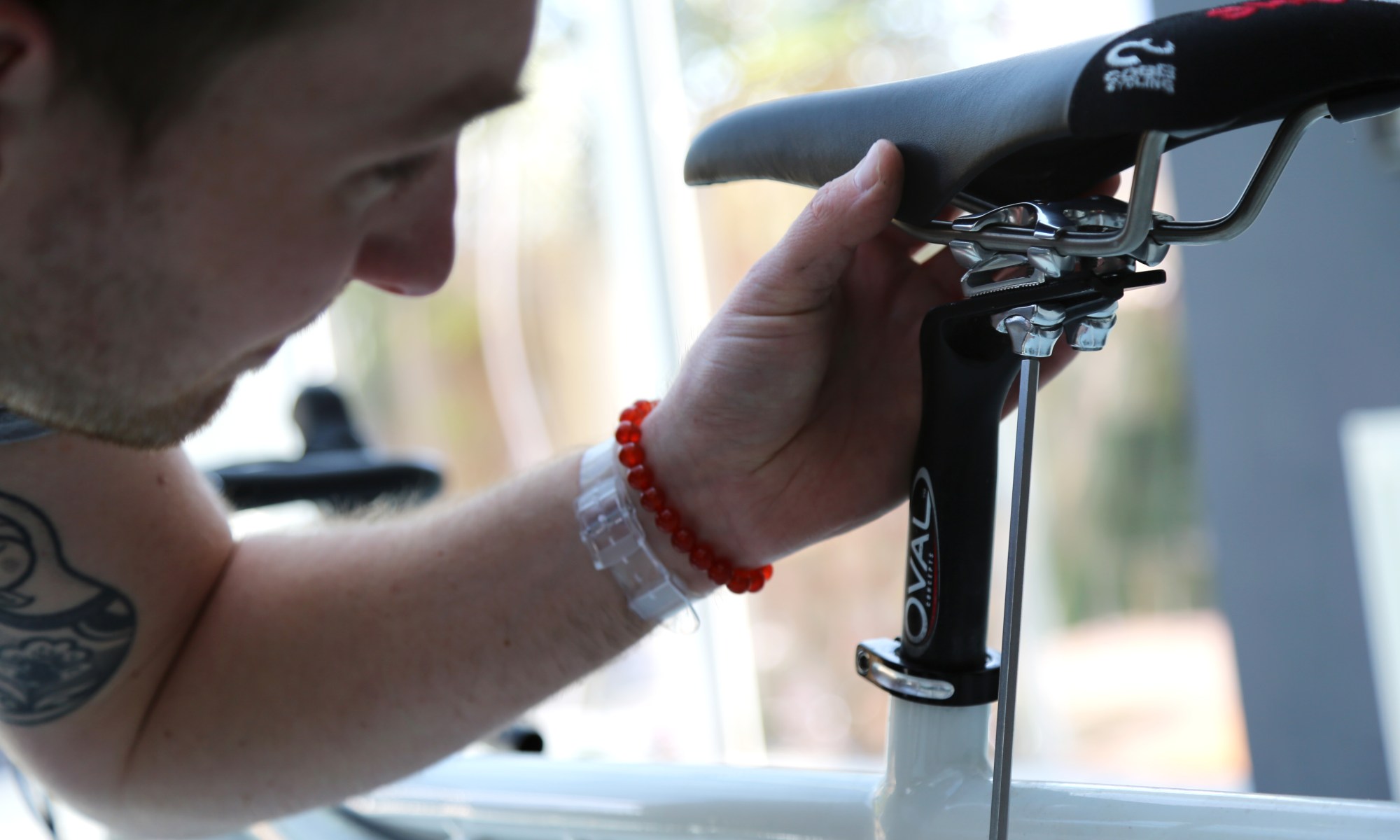
Saddle height is ultimately decided by a number of driving factors. In this example, a reduction in crank length was required before the saddle height could be reduced to a more optimal height. Many factors influence the functional saddle height range of an individual and like nearly every constituent part of an overall bike position, …